Putney removals

Putney removals can be arranged for homes, flats and smaller business premises that need careful loading, transit and delivery within London or further afield. Our service is built around practical moving work: lifting, protecting, carrying and placing items with enough structure to keep the day organised. If you are planning a move in Putney and want a straightforward way to compare your options, this page explains the main service areas and how to request a quotation.
We handle removals in a way that keeps the plan clear from the start. That usually means understanding what is being moved, how access works at each end and whether packing support, furniture protection or a vehicle of a particular size is needed. House removals, flat moves and more compact jobs can all benefit from the same careful approach, even when the amount of property is very different. Use the details below to see where your move fits and what to ask for when you enquire.
Some customers only need transport and lifting, while others want a more complete moving service that includes packing, unpacking or help with individual furniture pieces. Whatever the scope, it helps to think in terms of the actual items, the route through the property and the time needed to complete the work without rushing. If you are ready to begin, the simplest next step is to ask for a quote in plain terms and provide the basics of your move.
Home moving options
Home moving work is often the core of a removals enquiry in Putney, and it can cover anything from a one-bedroom flat to a larger family house. The key is to match the move plan to the property layout and the volume of furniture rather than assuming one vehicle or one schedule suits every job. Door width, stairs, lift access and parking all affect how items are moved, so a good plan focuses on the route as much as the load itself.
For some households, a standard domestic move is enough: boxes, furniture, white goods and personal belongings collected and delivered in a single organised journey. Others may need a more flexible arrangement that combines transport with packing support or helps them stage the move over two days. Home moves are best discussed with a clear list of the larger items, so the transport method can be set out properly and the day can be planned around realistic loading times.
What a domestic removals plan may include
Every home move is different, but useful planning usually revolves around the same practical questions. Which rooms contain the heaviest furniture? Are there fragile items that need wrapping? Can a van park close enough for efficient loading? Once those points are known, the removal plan becomes easier to shape. In many cases, the work is less about speed and more about having the right order for lifting, packing and placement at delivery.
Packing and careful handling

Packing is often the part of a removal that determines how smoothly the rest of the day goes. Boxes that are sealed correctly, fragile pieces that are wrapped and furniture that is protected from scuffs are less likely to shift during transit. For households and small offices alike, careful preparation can reduce the need for last-minute rearranging. It also helps when items need to be loaded in a particular sequence because of their weight or shape.
Packing and unpacking services are useful when you want support with the practical details rather than only the transport itself. That might include wrapping delicate belongings, grouping rooms into labelled boxes or unpacking essential items at the destination so the new property becomes usable more quickly. The best approach depends on how much you are moving, how much time you have and whether any items need extra protection.
Good packing is not only about materials; it is also about choosing the right order and using containers sensibly. Heavy items belong in smaller boxes, lighter mixed items can go into larger ones and fragile belongings should not be left loose among soft furnishings. If you are preparing a quotation request, a quick outline of the items that need packing support can make the estimate far more accurate and helps avoid unnecessary guesswork.
Furniture, single items and van-based removals
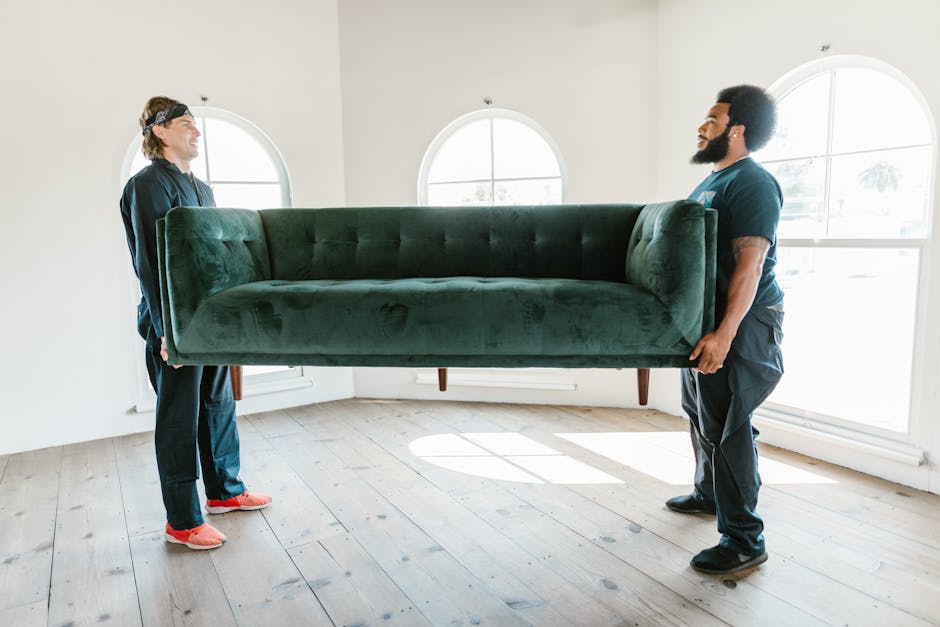
Not every enquiry is a full property move. Sometimes the job is a single wardrobe, a sofa, a bed frame or a few bulky pieces that need a van and a couple of careful handlers rather than a full-scale removals crew. Those smaller jobs still benefit from the same attention to access, protection and safe lifting. They can be ideal when you only need a straightforward collection and delivery without the complexity of a larger house move.
Furniture pick-up can suit customers who have bought items privately, are replacing a few pieces or need a reusable item moved on from one place to another. Where the furniture is awkward, heavy or bulky, it is sensible to check in advance whether the item can be dismantled, whether any wrapping is required and whether there are stairs at either address. Those details help set a realistic plan before the vehicle is dispatched.
Man with van arrangements are often chosen for flexible, smaller-scale removals where a simple loading solution is needed. They can work well for students, flat moves, storage runs and general transport of household items, provided the load is described honestly and the access is understood. If you need a service that sits between a courier and a full removals team, this style of work may be the right fit.
Household removals by property type
Household removals are rarely identical from one address to the next, which is why it helps to think about the property type before choosing the service. A maisonette with stairs, a top-floor flat and a terraced house with limited parking all create different moving conditions. The actual items may be similar, but the route in and out of the property changes how the day needs to be managed and what kind of crew setup is sensible.
House removals can cover full contents moves where furniture, appliances and packed boxes are all being transported together. In those cases, the quotation usually depends on the amount of property, the access at each address and whether any items need dismantling or protection. It is often easier to plan such moves when the main rooms are listed clearly and any particularly awkward items are identified from the outset.
Household moves also vary in how much support is needed at the destination. Some people want everything placed in the correct rooms and left ready for unpacking later, while others prefer a lighter service that focuses on safe delivery only. A well-described enquiry should therefore say what is moving, where it is going and whether the move needs extra handling, so the quotation reflects the true scope of the job.
Commercial moves for local premises

Commercial moves call for different planning because business equipment, paperwork, furniture and operational downtime all need to be considered together. A removals team working for offices or similar premises has to think about sequence, access and the order in which desks, chairs, archives and technology are loaded. Even where the move is relatively small, keeping items grouped logically can make reinstallation simpler and reduce the amount of disruption at the new site.
Office removals are usually organised around the working pattern of the business, the amount of furniture involved and any sensitive equipment that must be handled carefully. Desks, storage units and office chairs may seem ordinary, but once they are moved in bulk they need a clear plan for loading and placement. If an office contains filing systems, screens or specialist furnishings, these should be identified in advance so the removal can be scheduled appropriately.
Commercial moves can also include smaller workspaces, consultancy rooms or mixed-use premises where the contents are not purely domestic. The main aim is to move equipment and furnishings safely while keeping the job organised and easy to follow. When requesting a quotation, it helps to describe the type of business, the working hours available for access and whether any items need to be moved in stages.
Vehicle choices and transport arrangements
The vehicle matters because it affects loading time, efficiency and how well the contents fit together during transit. A larger load may suit a removal van with more space for furniture, while a smaller collection of boxes and light items might be better matched to a more compact vehicle. Choosing the right transport is not about using the biggest option available; it is about avoiding wasted space and keeping the load secure.
Moving van and removal van pages are useful references when you want to think about transport as part of the service rather than as an afterthought. A suitable van should be considered alongside the amount of property, the fragility of the items and the amount of lifting involved. For some moves, the question is not simply what will fit, but how the contents can be loaded to reduce movement during the journey.
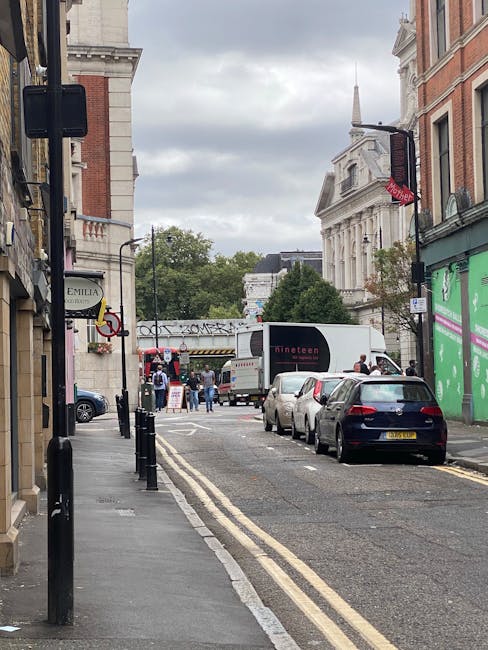
Removals van support is especially relevant where furniture and boxes need to travel together in an organised way. When a move involves narrow streets, timed access or loading from more than one room, the transport plan should be discussed early. A concise description of the volume, access and destination helps produce a better quotation and avoids over- or under-specifying the vehicle.
Pricing, quotation details and useful preparation
Removal pricing is influenced by practical factors rather than a single fixed formula. The volume of items, the distance between addresses, the amount of packing needed and the complexity of access all affect the final figure. Stairs, parking restrictions, long carries and awkward items may increase the work involved. A clear quotation is therefore easier to produce when the scope is described accurately and the mover can match the resource to the job.
Before you ask for a quote, it helps to gather the basic facts in one place.
- List the main furniture and the number of boxes or bags.
- Note any access issues such as stairs, lifts, tight hallways or parking limits.
- Say whether packing, dismantling or reassembly is needed.
Pricing and quotes is the natural place to look when you want to turn a rough moving plan into a proper request. If you are unsure what to include, keep it simple: what is moving, from where, to where and what special handling is needed. Ask for a quotation when you are ready, and keep the description honest so the response reflects the actual work rather than an estimate based on missing information.
Additional moving services

Some removals jobs need more than standard loading and transport. A move might include a short collection before the main delivery, furniture that needs to be dismantled first or a property where the occupants want everything wrapped before anything is lifted. These additions do not change the nature of the service, but they do change the sequence and amount of work involved. It is better to identify them early than to treat them as minor extras later on.
House movers can be a useful point of reference for customers who want a broader domestic moving service, while man and van removals suits lighter jobs that still need proper handling. If you are comparing options, think about whether the move is best described as a whole-house relocation, a partial load or a single-vehicle transport task. That distinction helps keep the plan practical and relevant.
How to choose the right level of support
The right level of support depends on the size of the move and how much lifting is involved at each address. A small flat move may only need transport and carrying, while a larger family move may benefit from packing support, furniture protection and a more structured loading plan. The goal is not to add unnecessary services, but to choose the parts that reduce risk and keep the move manageable from start to finish.
About Putney

Putney is a district in southwest London within the London Borough of Wandsworth, sitting on the south bank of the River Thames. Its riverside setting has shaped much of its character, from the historic crossing point at Putney Bridge to the towpath stretches and open views along the water. The area includes a mix of residential streets, local shops and routes that connect inland towards Wandsworth, Wimbledon and the wider southwest of the capital. Putney High Street forms one of the best-known corridors, with a long commercial presence that reflects the district’s role as both a local centre and a commuter base. The surroundings are varied rather than uniform: some streets are tightly urban, while others open towards green spaces and larger period homes. Putney Heath lies to the south-west, offering open land and a more spacious feel than the riverfront core. The district also has strong sporting associations, particularly with rowing on the Thames and the annual Boat Race starting nearby at Putney, a tradition that has become part of the area’s wider identity. Church architecture, Victorian and Edwardian housing, and riverside landmarks all contribute to a place that feels layered rather than newly planned. That combination of river, transport links, town-centre activity and suburban streets gives Putney a distinctive London character rooted in movement, trade and everyday urban life.
Booking the right removals service
Once you know the scale of the move, the next step is to turn that into a clear request. It helps to mention the addresses, the main furniture, the number of rooms and any items that need special care. If you are moving between flats, houses or business premises, say so directly. A plain description usually works better than a vague one because it gives the removals provider the information needed to shape the job responsibly.
Contact us when you are ready to discuss the move in more detail, especially if you want a quotation that reflects the real access, load size and timing. If you have already chosen the main service type, you can also refer back to the relevant pages above before getting in touch. Request a quotation when you are ready, and keep the details specific enough to avoid unnecessary revisions.
Removals provides the broadest overview of the service, while removal services is useful if you want to compare the different kinds of support that can sit around a move. For a more general sense of the business offering, removal company and removal companies can help frame the discussion without overcomplicating it. When you are ready, a clear enquiry is the most direct way to begin.