Access problems on narrow Putney lanes -- moving fixes
Posted on 10/06/2026
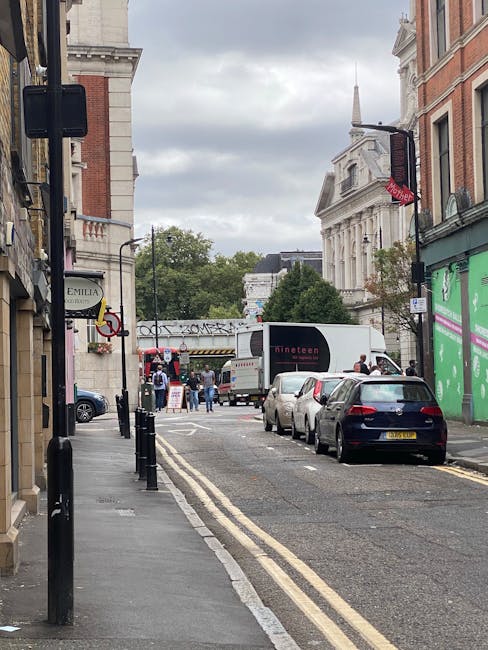
Anyone who has tried to move a sofa, a wardrobe, or even a stack of boxes down a tight Putney lane knows the feeling: the street looks perfectly manageable on a normal day, and then moving day arrives and suddenly everything is in the way. Residents, parked cars, low kerbs, overhanging branches, delivery vans, and narrow turning space can turn a straightforward move into a careful little puzzle. That is exactly why access problems on narrow Putney lanes -- moving fixes matter so much. The trick is not brute force. It is planning, timing, and using the right moving method for the street you actually have, not the one you hoped for.
This guide breaks down the real issues people face on narrow lanes in Putney, how professional movers work around them, and what you can do before the van even arrives. If you are moving a flat, a family home, or a bulky item that barely fits through the front door, you will find practical fixes here. A few of them are simple. A few are surprisingly overlooked. And one or two may save you a lot of back-and-forth on the day.
Why access problems on narrow Putney lanes matter
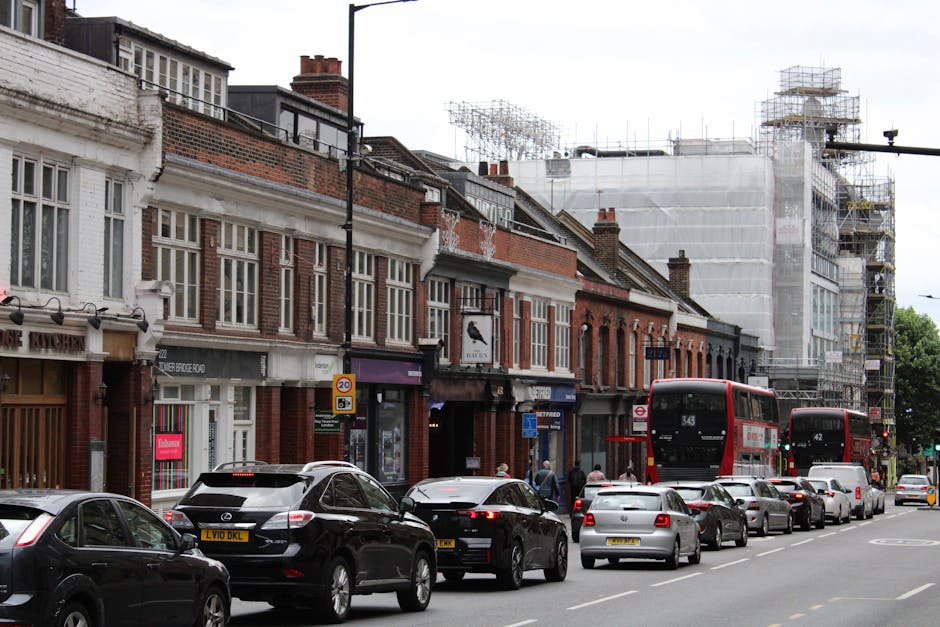
Narrow lanes are not just a nuisance. They change the whole shape of a move. In Putney, many streets and side roads combine limited width with on-street parking, tight corners, shared access, and busy local traffic. That means the last 20 metres can matter more than the whole rest of the job. If a van cannot stop close enough, every item has to travel farther by hand. If a turning circle is tight, the vehicle may need to park differently or use a smaller van. If the pavement is cramped, boxes need to be handled more carefully to avoid blockages or damage.
In plain English, access affects time, cost, risk, and stress. It can also change the type of moving service you need. A large lorry may be unnecessary or impossible. A smaller van, a shuttle-style transfer, or a man and van setup may be the more sensible option. If you are looking at a wider move with packing, loading and full household support, the broader removal services in Putney can help you compare the moving method with the property access you actually have.
People sometimes assume access is only about distance from the front door. It is more than that. It includes where the van can legally stop, whether the driveway is usable, how far items must be carried, whether there are stairs, and whether the street allows unloading without causing a row with neighbours. To be fair, the street does not care how organised your spreadsheet is.
Expert summary: The best fix for narrow-lane access is rarely one big solution. It is usually a combination of smaller choices: the right vehicle, the right timing, clear load planning, and a realistic walking route between the van and the property.
How access problems on narrow Putney lanes -- moving fixes works
The idea is simple: reduce friction between the property and the vehicle. The move gets easier when you shorten carry distances, avoid bottlenecks, and keep the loading sequence tidy. In practice, this usually starts with an access assessment. A mover looks at lane width, available parking, obstructions, surface condition, and any awkward bends or gates. If the van cannot safely reach the door, the plan changes.
Common moving fixes include using a smaller vehicle, splitting the load into more trips, packing in a way that allows easier hand-carry, and scheduling the move for a quieter time of day. For some homes, the answer is a mix of all four. For others, a simple change in parking position can make the difference between a smooth exit and a half-hour wrestling match with a wardrobe that has suddenly decided it is too wide to be cooperative.
Professionals who work regularly in Putney tend to think in layers. First layer: can the van physically get there? Second layer: where can it stop? Third layer: can the crew carry safely from that stop point to the property? Fourth layer: are there any items that need special handling, like pianos, long mirrors, or bulky wardrobes? That is why specialist support matters. If your move includes a heavy instrument, for example, a dedicated piano removals Putney service is often the safer route than treating it like a standard box-and-furniture job.
Sometimes the fix is almost invisible to the customer but makes a huge difference behind the scenes. A crew might reverse the van in, use two-person carries for awkward items, protect door frames, or set up a "staging point" inside the property so boxes can be moved in batches. Little things. But they add up fast.
Key benefits and practical advantages
Good access planning is not just about avoiding trouble. It creates a better move from start to finish. The most obvious benefit is speed. When the van is positioned well and items are packed in the right order, the whole job tends to run more smoothly. That usually means fewer delays, fewer strained lifts, and less frustration for everyone involved.
There is also a safety benefit. Narrow lanes often leave no room for sloppy handling. When movers know they need to protect neighbours' cars, keep pavements clear, and carry carefully around tight corners, the entire operation becomes more disciplined. This matters even more when there are stairs, wet pavements, or fragile pieces. If you want a broader sense of how reputable crews think about safe handling, it is worth reviewing the company's insurance and safety approach and health and safety policy before you book.
Another major advantage is cost control. Poor access often leads to extra labour time, additional trips, or last-minute vehicle changes. Good planning can reduce those hidden add-ons. It may also help you choose the right service size. A smaller vehicle or a more localised moving team can be more efficient than a larger truck that never had a proper place to stop. If you are weighing your options, the man and van Putney option is often a practical fit for awkward streets and compact loads.
And then there is the human side. People underestimate how much easier a move feels when the access plan is clear. When you know where the vehicle will stop, who will be carrying what, and how long the loading should take, the whole day feels less like a gamble. You can focus on the property, the keys, the cleaning, and the little admin jobs that always show up at the last second.
Who this is for and when it makes sense
This topic matters for almost anyone moving in or around Putney, but it is especially relevant if you live on a lane with limited passing space, frequent parking pressure, or a tricky bend near the entrance. Flat residents often feel the problem first because stairs and tight hallways add another layer. Homeowners on side roads notice it when the van has nowhere sensible to stop. Students and renters moving in and out of compact properties may feel it most because the load tends to be lots of boxes, not one easy item.
It also matters when the move involves bulky or awkward belongings. Sofas, wardrobes, beds, gym equipment, and upright pianos are the classic troublemakers. If those items have to be turned through a narrow doorway or carried a longer distance from the van, the access plan becomes central, not optional. The same applies if your place needs a combined moving and cleaning setup. If you want to leave a flat spotless after the move, services like house cleaning in SW18 and SW15 or carpet cleaning in Putney can be useful add-ons when the timing works.
It makes sense to think about access fixes before you book if any of these sound familiar:
- the road is narrow enough that two vehicles struggle to pass
- parking is limited or heavily shared
- you are moving on a weekday with normal local traffic
- your property sits behind a gate, courtyard, or awkward corner
- you have large furniture, fragile items, or a lot of boxes
- you need the move to finish quickly with minimal disruption
If you are not sure whether your street is "fine" or "tight", trust your instinct. If you already feel yourself mentally measuring the kerb with your eyes, the access probably deserves a proper plan.
Step-by-step guidance
Here is the practical side of it. This is the part that helps the most on moving day.
-
Assess the lane honestly.
Walk the route from the property to the nearest realistic stopping point. Look for parked cars, pinch points, low walls, overhanging branches, speed humps, and blind bends. Be brutally realistic. Guessing is expensive.
-
Measure bulky items and key access points.
Measure sofas, wardrobes, mattress sizes, and any item that needs angling through a door or down stairs. Check front doors, hallway corners, stair turns, and the width of any gate or side passage. A tape measure is boring, yes, but it saves arguments.
-
Choose the right vehicle size.
For tighter Putney lanes, a compact van may be more useful than a larger one. The goal is not to arrive with the biggest vehicle possible. It is to arrive with the one that can legally and safely access the property.
-
Plan the loading order.
Heaviest items first, then stable furniture, then boxes, then fragile items secured at the end. If the van is parked a short distance away, the loading order becomes even more important because every extra trip costs time and energy.
-
Protect both the property and the street.
Use door protectors, furniture blankets, floor runners where needed, and careful handling around corners. This is especially important where the route is tight or shared with neighbours.
-
Keep a clean communication line on the day.
Make sure one person is coordinating the crew, the keys, and any access issues. If the van has to move because a neighbour needs to pass, the team needs one person making the call quickly.
-
Have a fallback plan.
If the van cannot stop exactly where expected, decide in advance what happens next. A short carry route, a second parking spot, or a smaller shuttle vehicle can rescue the schedule.
A practical note: if you are moving in a flat-heavy part of Putney, a specialist flat removals Putney service can be more suitable than a generic approach because the job usually combines stair work, tighter interiors, and limited street access all at once. That combination is where many moves go sideways. Literally, sometimes.
Expert tips for better results
Here are the habits that tend to separate a smooth move from a stressful one.
Book access-sensitive moves early in the day where possible. Morning starts are often easier because traffic pressure is lower and parking is less chaotic. In a narrow lane, even a 15-minute difference can change what is possible. If your street gets busy later on, that early slot can be gold.
Keep the load as compact as you can. Well-packed boxes stack faster and carry better. Loose, overfilled, or oddly shaped boxes are slower and more likely to snag on corners. If you need packing support, the packing and boxes Putney page is a useful place to understand the sort of help that can make awkward access much easier to manage.
Label awkward items clearly. "Fragile" is helpful, but "this side up", "glass", or "do not lay flat" is even better. Small labels can prevent the wrong item being placed at the bottom of a pile on a tight carry route. And yes, someone always finds the one box marked "books" that is somehow built like a concrete block.
Think about the destination as well as the departure. Narrow-lane issues are not just about leaving the old home. The new property may have even tighter access, a courtyard entrance, or limited stopping space. If you are still house-hunting, it is worth reading about local movement patterns in the area, such as getting acquainted with Putney and the broader real estate buying guide for Putney. Access is part of liveability, not a side issue.
Have the residents on side where possible. If neighbours know a van will be there for a short window, they are usually more patient. That little bit of courtesy can avoid awkwardness on the pavement. Putney lanes can feel social in a way, and that can help. Or at least reduce the muttering.
Common mistakes to avoid
The biggest mistake is assuming "the van will just manage it". That phrase has launched more moving headaches than people like to admit. Access problems are not solved by hope. They are solved by information.
Another common error is underestimating how much room is needed for turning, reversing, and unloading. A lane can look wide enough until you try to swing a long vehicle in with parked cars on both sides. Then, suddenly, everyone becomes a parking expert.
Other mistakes worth avoiding:
- not telling the mover about tight access until moving day
- forgetting to mention stairs, gates, or a long carry from the van
- packing the van in a random order, which slows unloading later
- leaving bulky items until last, after the easy space has gone
- ignoring wet weather, muddy paths, or slippery pavements
- assuming your own street parking rules are the same as the next one over
One more thing: do not treat heavy or awkward items as if they are just "another box". A wardrobe that needs dismantling or a piano that needs specialist handling changes the whole movement plan. If that sounds familiar, you may want to look at bulky item moves in Putney before deciding on the right support.
Tools, resources and recommendations
You do not need fancy equipment to make a narrow-lane move work, but a few simple tools go a long way. A tape measure, furniture blankets, trolley straps, and basic floor protection can make the whole job calmer. Gloves with good grip are also worth having. Nothing dramatic. Just sensible.
For planning, a sketch of the access route can help more than people expect. Draw the street, mark the van position, note where items will travel, and highlight any pinch points. It does not have to be pretty. It just has to be useful.
As for professional support, choose a provider that is clear about the type of move they handle and how they manage awkward access. A good starting point is to review the company's broader services overview and removal companies in Putney information so you can match your needs to the right style of help. If your move is time-sensitive, you may also find same day removals in Putney relevant, though narrow access makes early planning even more important.
For customers who want a smaller, more agile vehicle setup, a removal van in Putney can be a more realistic solution than a larger lorry. And if you prefer the full service route, home removals or removals in Putney may be the better fit when access and contents both need careful handling.
If you are comparing different support levels, it can help to think like this:
- Small, simple move: likely manageable with a compact van and a few helpers
- Standard flat move with stairs: better with an organised crew and clear access plan
- Bulky or fragile items: likely worth specialist handling
- Office or mixed contents: may need staged loading and more structured coordination
Law, compliance, standards and best practice
Access planning is not only about convenience. It also touches safety, local parking sense, and general duty of care. While each move is different, good practice in the UK usually means the move should be carried out without creating avoidable danger to workers, residents, pedestrians, or property. That means careful lifting, sensible vehicle placement, and not blocking a route longer than necessary.
If a van must stop in a constrained space, the crew should think about traffic flow, visibility, and safe carrying distances. If there are stairs or repeated lifting tasks, that should be managed with proper technique and enough people on the job. Nothing flashy here. Just the sort of ordinary professionalism that prevents a bad day from getting worse.
It is also sensible to check whether the moving provider explains its policies clearly. A transparent company should make it easy to understand what is included, how payments are handled, and what happens if access turns out to be more complex than expected. For that, pages such as payment and security, terms and conditions, privacy policy, and the complaints procedure can help set expectations in advance.
Best practice also includes accessibility awareness. Tight routes can be difficult for people with mobility needs, so clear communication matters. If you need more detail on how access is handled for different users, the accessibility statement is worth reviewing. And if sustainability matters in your move, there is useful context in the company's recycling and sustainability information.
Options, methods and comparison table
Different access problems call for different fixes. Here is a practical comparison to help you think it through.
| Method | Best for | Strengths | Trade-offs |
|---|---|---|---|
| Large removal van | Open roads and easy parking | Fewer trips, good for full-house moves | May struggle in narrow lanes or tight corners |
| Compact van / shuttle style loading | Restricted streets and short carry distances | More flexible, easier access | May require more trips or planning |
| Man and van | Smaller moves, flats, mixed loads | Simple, agile, efficient | Less suitable for very large inventories |
| Full home removals team | Busy moves with furniture, boxes and stairs | More hands, better coordination, less strain | Higher service level than a basic transport-only job |
| Specialist item removal | Pianos, antiques, oversized furniture | Designed for riskier loads and awkward handling | Requires more specific booking and preparation |
If you are moving a single bulky item rather than an entire property, the right answer may be very different from a full household move. A dedicated furniture removals London service is often a better fit for large or awkward pieces than trying to force everything into one general booking.
For students, tenants, or anyone on a tighter budget, a lighter-touch option can be enough. A student removals Putney setup often suits smaller loads, but the same access rules still apply: narrow lane, limited parking, and no room for guessing.
Case study or real-world example
Here is a realistic example from a typical Putney move. A couple in a first-floor flat on a narrow side lane had a standard collection of furniture: bed frame, mattress, dining table, several boxes, and one heavy chest of drawers that looked innocent until it was moved. The lane had resident parking, a tight bend, and enough passing traffic that a large van would have caused trouble if it tried to stop directly outside.
The solution was simple but not improvised. The van used the nearest sensible stopping point, the team pre-packed the heavier boxes near the exit, and the chest of drawers was taken out only after the route was checked for obstructions. One person coordinated the door, one handled the van loading, and the couple kept the hallway clear. The move still took concentration, but it stayed calm. No scraping along the wall, no awkward stand-offs with another driver, and no "we'll just try it and see" nonsense.
That kind of outcome is common when the access issue is identified early. It does not mean the job becomes easy. It means the move becomes manageable. A big difference, that.
In another case, a homeowner moving near a river-facing route used the guidance in moving near Putney Bridge riverfront access and parking to understand how local parking pressure changes the day. That sort of local awareness is often the missing piece. A street can look fine on a Tuesday morning and behave very differently once real moving traffic arrives.
Practical checklist
Use this before moving day. It is not glamorous, but it works.
- Measure the narrowest part of the route from front door to van stop
- Check for stairs, gates, low walls, and awkward bends
- List the largest items separately
- Tell the mover about parking limits and lane width in advance
- Decide whether a smaller van is more suitable than a larger one
- Pack boxes so they are easy to stack and carry
- Protect floors, frames, and corners where needed
- Confirm the arrival window and a fallback parking option
- Keep one person in charge of access communication on the day
- Prepare for the weather, especially if paths may be wet or slippery
If you are moving out of a property and want the place left in better shape, it is also worth considering cleaning afterwards. A tidy handover can make all the difference, especially in rented homes where the final impression matters. Sometimes the smallest cleanup saves the biggest headache.
Get a free quote today and see how much you can save.
Conclusion
Access problems on narrow Putney lanes do not have to derail a move. Most of the stress comes from uncertainty, not from the lane itself. Once you know where the van can stop, how the items will travel, and which parts of the job need extra care, the whole move becomes easier to control. That is the real fix: not force, but forethought.
Putney's tight streets ask for practical thinking. Smaller vehicles, better timing, smarter packing, and clear communication all help. So do honest measurements and a calm plan for awkward furniture. Whether you are moving a flat, a family home, or one oversized item that seems determined to make things difficult, there is usually a workable path through it.
And honestly, that is reassuring. You do not need a perfect street to have a good move. You just need the right approach, and a bit of common sense. The rest tends to fall into place.


.png)
.png)