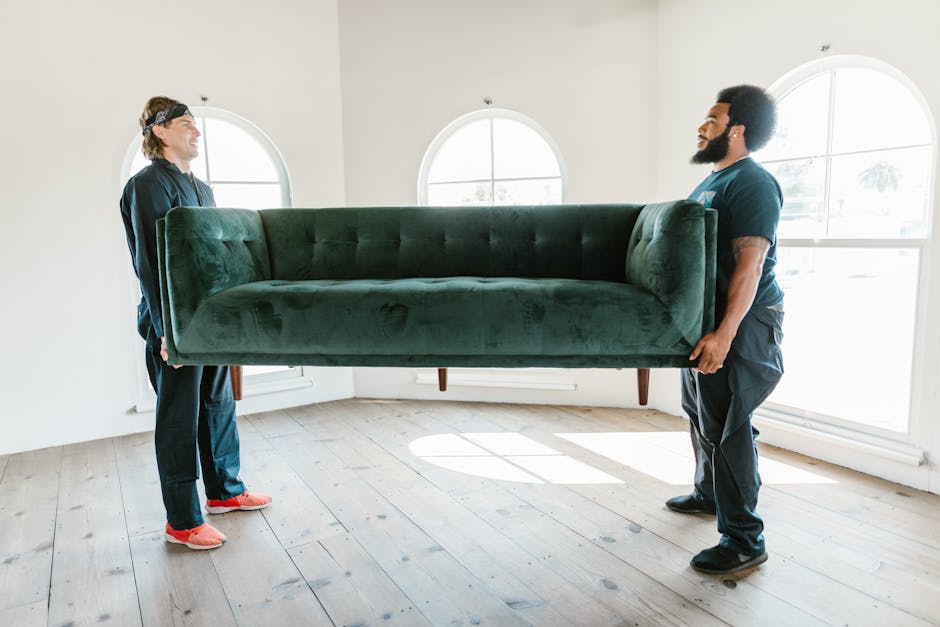
Bulky item moves in Putney: sofas, wardrobes, pianos
If you have ever tried to angle a sofa through a narrow hallway, or realised a wardrobe is one solid piece after you've already started lifting, you'll know bulky item moves can become awkward fast. Add a piano into the mix and, well, the job suddenly needs more than enthusiasm and a couple of gloves. In Putney, where homes range from riverside flats to Victorian terraces and upper-floor conversions, moving oversized furniture is often less about brute force and more about planning, protection, and timing.
This guide breaks down how Bulky item moves in Putney: sofas, wardrobes, pianos actually work, what can go wrong, and how to make the whole thing calmer, safer, and more predictable. Whether you're moving one heavy item, clearing several rooms, or organising a full home move, the practical detail below should help you make better decisions.
Why Bulky item moves in Putney: sofas, wardrobes, pianos Matters
Bulky item moving sounds straightforward until you meet the realities of London housing. In Putney, stairwells can be tight, parking can be limited, and building access is often a bit more complex than you'd hope. That matters because the wrong lift, the wrong angle, or the wrong vehicle can turn a simple job into a damaged wall, a scratched floor, or a broken hinge. Not ideal.
Sofas, wardrobes, and pianos each have their own problems. Sofas are awkwardly wide and can snag on corners. Wardrobes are often heavy, tall, and unstable once moved. Pianos are a different category altogether: sensitive, weighty, and expensive enough that most people would rather not improvise. A small mistake with any of them can become costly, and not just in money. There's the stress too, the "why did we try to do this ourselves?" moment that hits around stair number three.
Putney's mix of flats, maisonettes, family houses, and period properties means bulky item moves are often highly site-specific. A move near the river, for example, may involve awkward access and loading constraints, which is why local planning helps. If you're looking at a broader house or flat transition, it can also be useful to read a Putney home sales guide or this buying guide for investing in Putney to understand the local moving context more fully.
To be fair, most bulky-item problems are avoidable when you know where the friction points are. The main question is not "Can it be lifted?" but "Can it be lifted safely, moved cleanly, and delivered without damage?"
How Bulky item moves in Putney: sofas, wardrobes, pianos Works
A good bulky item move starts before anyone touches the item. The job begins with measuring, checking access, and matching the item to the right moving method. That might mean using protective blankets, straps, sliders, a removal van, or a specialist piano moving approach. Sometimes the item needs partial disassembly. Sometimes it needs a different route out of the property. Sometimes the answer is simply: two people are not enough.
Here's the usual flow in practical terms:
- Assess the item. Measure height, width, depth, weight, and shape. Note anything that can detach, swing, or catch.
- Check the property. Hallways, lifts, bannisters, door frames, stair turns, outside steps, parking, and loading distance all matter.
- Choose the method. Full removal service, man and van support, specialist piano handling, or furniture-only transport may fit better depending on the item.
- Prepare the item. Remove loose parts, secure doors, protect corners, and wrap delicate finishes.
- Protect the route. Floor covers, door blankets, and careful turning points reduce damage risk.
- Load correctly. Heavy items should be balanced in the vehicle so they do not shift in transit.
- Unload and place. Plan where the item will go before arrival. It sounds obvious, but people forget this all the time.
In real life, these jobs also depend on timing and parking. If you're moving near the river or close to busy streets, the logistics can be a bit fiddly. This local guide on access and parking near Putney Bridge is useful if the route to your property is not exactly straightforward.
For especially delicate items, such as upright or grand pianos, using a service designed for the task is usually the calmer option. You can explore specialist piano removals in Putney if that is your main concern. A piano is not just "another heavy thing"; it needs proper handling, patience, and a steady hand.
Key Benefits and Practical Advantages
The biggest benefit of using a planned bulky-item move is simple: less risk. Less risk to your furniture, less risk to your property, and less risk to your back. That last one tends to get overlooked until the next morning, when every stair feels personal.
- Protection for your belongings: Proper wrapping and handling reduce scratches, dents, and cracked joints.
- Protection for the property: Hallways, banisters, floors, and doors are less likely to get marked.
- Better time control: A planned move is usually quicker than a rushed one, even if it takes more preparation upfront.
- Fewer lifting injuries: Heavy items can be unstable, especially on stairs or when turning corners.
- Less disruption: Good planning means fewer last-minute surprises, which is genuinely half the battle.
There's also a practical financial angle. A cheap improvised move can become expensive if it results in damage, delays, or the need to bring in help after the fact. In that sense, the right moving method is often the economical choice as well as the safer one.
If your move is part of a wider household reset, it can help to coordinate other services too. Some people arrange carpet cleaning in Putney or house cleaning after a move so the property feels settled again. It's a small detail, but moving day goes better when the next step is already mapped out.
Practical takeaway: bulky item moves are not only about strength. They are about planning, protection, and the right equipment in the right hands.
Who This Is For and When It Makes Sense
This kind of move is useful for anyone dealing with furniture that is too awkward, too heavy, or too valuable to improvise with. That includes homeowners, renters, landlords, estate agents, and people moving one or two key items into a new place. It also makes sense if you are reorganising rooms, replacing furniture, or clearing a property after a sale.
Common scenarios include:
- Moving a sofa into a flat with a narrow staircase
- Transporting a wardrobe that cannot be safely lifted by one or two people
- Relocating a piano within Putney or across London
- Moving furniture into storage between completion dates
- Helping a relative downsize without damaging sentimental items
It also makes sense when time matters. If you have keys on a tight schedule, or you need a same-day response, a more flexible option can help. A quick look at same-day removals in Putney may be useful when things have moved faster than expected.
For people who do not need a full team but still want support, a man and van service in Putney can be a sensible middle ground. It is often a good fit for one or two bulky items, especially if you already have access sorted and just need reliable transport and lifting help.
Students and younger renters sometimes assume bulky-item moves are only for big family homes, but that is not true. A heavy desk, a bed frame, a wardrobe, and one large sofa can create just as much hassle in a compact flat. Small space, big problem. That's the truth of it.
Step-by-Step Guidance
Here's a clear way to approach the move without turning it into a weekend of regret.
1) Measure everything properly
Measure the item and the route. Doors, stair width, landing turns, lift dimensions, and any outside access all need to be checked. If the wardrobe is 210 cm high and the stairwell turn is awkward, you want to know that before moving day, not while balancing it mid-air.
2) Decide whether the item should be dismantled
Some wardrobes, beds, and modular sofas are easier to move in pieces. If the item was assembled in place, there is a decent chance it will need partial dismantling. Keep screws, fittings, and instructions together in a labelled bag. It sounds boring. It is. It also saves time later.
3) Clear the route
Move rugs, plants, small tables, and anything else that might catch. Open internal doors fully. If possible, tell neighbours if stair access might be temporarily blocked. In a flat building, that courtesy matters more than people think.
4) Protect fragile surfaces
Use blankets, foam, corner guards, and floor protection where needed. A polished wood floor and a heavy wardrobe are not friends unless somebody intervenes. Walls around stair turns often need extra care too.
5) Use the right lifting technique
Keep the load close, bend at the knees, and use coordinated commands. One person should lead, especially on stairs. If the item feels unbalanced or too awkward, stop and reset. Rushing is where trouble starts.
6) Load the vehicle with stability in mind
Heavy items should be secured upright where appropriate and padded so they do not shift. Sofas and wardrobes can create pressure points if stacked badly. Pianos need especially careful placement and restraint. You do not want a six-foot sofa doing laps inside the van.
7) Plan the destination room
Before arrival, decide exactly where the item will sit. If you have to reposition a large wardrobe three times in a narrow room, the move becomes more awkward than it needs to be.
Many people also find it useful to sort the rest of the move at the same time. If you need materials, a look at packing and boxes in Putney can help you get organised. If you are comparing broader support, removal services in Putney and furniture removals across London are also relevant options.
Expert Tips for Better Results
There are a few small habits that make a big difference. Honestly, these are the things that separate a smooth move from an unnecessarily dramatic one.
- Measure twice, not once. A route that looks fine in your head may not work in a real hallway.
- Protect the corners first. That is usually where the first impact happens.
- Take photos before dismantling. Helpful for reassembly and for keeping track of wear or existing marks.
- Keep hardware in one bag per item. Mixing screws from two wardrobes is a classic moving-day mistake.
- Decide who leads the lift. Too many voices at the same time only creates confusion.
- Book parking or loading space early where needed. Especially useful in busy parts of Putney.
One more thing: if the item is sentimental, say so before the move begins. A piano that has been in the family for years, or a sofa that has lived through more Sunday evenings than you can count, deserves a little extra care. That human context helps movers prioritise the right handling approach.
And if you are comparing providers, it is worth checking how they talk about safety and handling. A professional approach should feel clear, calm, and practical, not vague. You can also review insurance and safety information for extra reassurance before you book.
Common Mistakes to Avoid
The same handful of errors come up again and again. Some are small. Some are expensive. A few are just annoying in retrospect, which somehow makes them worse.
- Underestimating weight and bulk. A wardrobe might not look enormous, but once you get it at shoulder height, the story changes.
- Forgetting access constraints. Stairs, low ceilings, tight landings, and narrow halls matter more than people expect.
- Skipping protection. Bare item against bare wall is rarely a good idea.
- Trying to move delicate items without specialist help. Pianos in particular should not be treated like regular furniture.
- Not planning the unload. Moving something out is only half the job.
- Leaving parking to chance. That can create avoidable delays and extra lifting distance.
Another mistake is focusing only on the item itself and ignoring the rest of the move. If the sofa is going into a flat that is still full of boxes, the route will be tighter and the risk goes up. It really is that simple.
If you need a broader moving team, removals in Putney or home removals in Putney may be more suitable than handling each item separately.
Tools, Resources and Recommendations
You do not need a warehouse of specialist gear, but the right tools do make bulky-item moves much easier. Here are the basics that are genuinely useful.
| Tool or resource | What it helps with | Best for |
|---|---|---|
| Moving blankets | Protecting furniture edges, finishes, and door frames | Sofas, wardrobes, and cabinets |
| Straps and tie-downs | Keeping items stable while lifting or in transit | Heavy, tall, or awkward items |
| Furniture sliders | Reducing friction on floors | Large wardrobes and dressers |
| Corner guards | Preventing damage to walls and item edges | Stairs, corridors, and tight turns |
| Removal van or suitable vehicle | Stable transport with enough length and load space | Most bulky item moves |
| Specialist piano handling | Protecting a sensitive, heavy instrument | Upright and grand pianos |
For everyday furniture moves, a trusted local team and a suitable vehicle can be enough. For anything more complex, especially high-value or unusually shaped items, specialist support is worth it. If you are comparing options, a removal van service in Putney can be a useful fit when the main challenge is transport capacity rather than a full-scale house move.
If you are looking at different providers in the area, it can help to read about removal companies in Putney and learn a bit more about who is behind the service. That extra context is rarely wasted.
Law, Compliance, Standards, or Best Practice
For a bulky-item move, the main compliance concerns are safety, handling, access, and transport responsibility. The exact requirements can vary depending on the property, the route, and the service you choose, so it is wise to check the terms of any moving arrangement carefully.
In practice, good movers should use sensible manual-handling methods, protect the property, and operate with proper insurance where relevant. If a piano, heavy wardrobe, or sofa needs to pass through communal areas, there may also be building rules or access arrangements to respect. That is common in flats, managed buildings, and converted properties around Putney.
It is also good practice to confirm:
- what is covered if damage occurs
- whether items should be dismantled before arrival
- how access issues are handled if parking is difficult
- what happens if the item cannot fit through the intended route
If you are checking how a provider approaches responsibility and customer care, it can help to review their terms and conditions and complaints procedure. That is not the exciting bit, granted, but it is the bit people are grateful for if something unexpected happens.
Good practice also includes being honest about access. If there is a tight staircase, a second-floor landing, or a difficult loading point, say so early. That information helps the move run safely and reduces the chance of last-minute surprises.
Options, Methods, or Comparison Table
Not every bulky item move needs the same level of support. Here is a straightforward comparison to help you choose the right approach.
| Option | Best for | Strengths | Limitations |
|---|---|---|---|
| DIY move | Small, manageable items with easy access | Low upfront cost, flexible timing | Higher risk of damage or injury, no specialist support |
| Man and van | One or two bulky items, short local journeys | Practical, flexible, usually quicker to arrange | Not ideal for highly delicate or very complex items |
| Furniture removal service | Sofas, wardrobes, and multiple household items | Better handling and coordination | May be more than you need for a single item |
| Specialist piano removal | Upright, baby grand, or grand pianos | Designed for weight, fragility, and precision | Usually the most specialised option |
If you are unsure, ask yourself one very practical question: is the main challenge transport, or is it safe handling? If it is only transport, a simpler service may be enough. If the item is awkward, fragile, or difficult to navigate through the property, specialist support is the safer bet.
Case Study or Real-World Example
Picture a fairly common Putney scenario. A couple is moving from a first-floor flat near the river into a larger house a few streets away. They have one large corner sofa, two tall wardrobes, and an upright piano that has lived in the dining room for years. The piano is the one item nobody wants to "just have a go" at.
Before moving day, they measure the staircase, the front door, and the first landing. They realise one wardrobe will not clear the corner intact, so they dismantle it in advance. The sofa needs padding around the arms because the hallway turn is tight. The piano is handled separately with specialist care and loaded last so it can be unloaded first.
Nothing dramatic happens. Which, in moving terms, is a success.
The difference here was not strength or luck. It was preparation. The move felt orderly because the access was checked early, the items were assigned the right approach, and the family had already decided where each piece would go in the new home. There were no mid-move arguments about which room the wardrobe should land in, which sounds small until you've had one of those arguments yourself.
That kind of planning also connects well with the wider local journey. If you are still exploring what life in the area looks like, this Putney area guide and local living advice give a useful sense of the neighbourhood and the realities of settling in.
Practical Checklist
Use this before moving day. It keeps the job tidy, and yes, it saves a surprising amount of stress.
- Measure the item and every key access point
- Check whether the item can or should be dismantled
- Confirm parking or loading access
- Protect floors, walls, and corners
- Wrap delicate finishes and remove loose parts
- Label screws, fittings, and accessories
- Decide where each item will go at the destination
- Confirm whether you need a man and van, furniture removals, or a specialist piano service
- Review insurance, terms, and any building access rules
- Keep contact details handy on the day
Quick expert summary: the easiest bulky-item moves are the ones that look boring on paper. Measurements are checked, access is clear, protection is ready, and the right help is booked before anyone starts lifting.
Conclusion
Bulky item moves in Putney are manageable when you treat them as a logistics job, not a muscle contest. Sofas, wardrobes, and pianos each need a slightly different approach, but the same principles hold every time: measure carefully, protect the property, use the right equipment, and do not guess when access looks tight.
For many people, the smartest choice is a locally informed move with the right level of support rather than trying to force a one-size-fits-all solution. That may mean a simple van job, a full furniture move, or specialist handling for a piano. Either way, the goal is the same: a calm move, less damage, and a better start in your new space.
If you are still comparing options, take a moment to review the most relevant service pages and think through your access, timing, and item type before booking. It makes the day smoother. Usually much smoother.
Get a free quote today and see how much you can save.
And if you get the planning right, the whole thing can feel less like a chore and more like the satisfying reset it's supposed to be.
Frequently Asked Questions
Can a sofa be moved through a narrow staircase in Putney?
Often, yes, but it depends on the sofa's dimensions and the staircase layout. Corner turns, ceiling height, and banister clearance can all make a difference. If the route is tight, partial dismantling or an alternate route may be needed.
Do wardrobes usually need to be dismantled before moving?
Many do. Large wardrobes are easier and safer to move when broken down into manageable parts. This is especially true if the property has tight hallways, stairs, or limited landing space.
Is a piano move the same as moving other heavy furniture?
No. Pianos are heavier, more delicate, and more sensitive to handling than typical furniture. They usually need specialist care, proper securing, and extra attention during loading and unloading.
What is the best option for moving one bulky item locally?
For one or two items, a man and van service is often a practical choice. It can be a good fit when access is straightforward and you do not need a full house-removal team.
How should I prepare a wardrobe for moving day?
Remove all contents, secure or remove loose doors and shelves, label fittings, and decide whether the wardrobe should be dismantled. Photos can help with reassembly later.
Will movers protect my walls and floors?
A careful team should use suitable protection where needed, such as blankets, guards, and floor covering. It is sensible to confirm this in advance, especially in period properties or communal buildings.
Can bulky item moves be arranged at short notice?
Sometimes, yes. Short-notice or same-day arrangements may be possible depending on availability and the complexity of the job. The simpler the access, the easier it is to organise quickly.
How do I know if I need furniture removals or a full home removal?
If you are moving multiple rooms, fragile pieces, or a mix of heavy and awkward furniture, a broader furniture removal or home removal service is usually the better fit. One item or a small load may only need a lighter service.
What if the furniture does not fit through the door?
That is why measurements matter. If an item does not fit, possible solutions include dismantling, using an alternative route, or changing the handling method. It is best to check this before the moving team arrives.
Are bulky item moves covered by insurance?
Coverage depends on the provider and the service terms. You should always check what is included, what exclusions apply, and what conditions need to be followed for the cover to remain valid.
Can I combine a bulky item move with other services?
Yes, and that is often a smart move. For example, some people combine furniture transport with packing help, removals support, or post-move cleaning. It can save time and reduce the number of moving parts, which is always nice.
What should I ask before booking a bulky item move in Putney?
Ask about access checks, dismantling, protection, insurance, vehicle size, timing, and how awkward items like pianos are handled. A good provider should answer plainly and not dance around the details.